
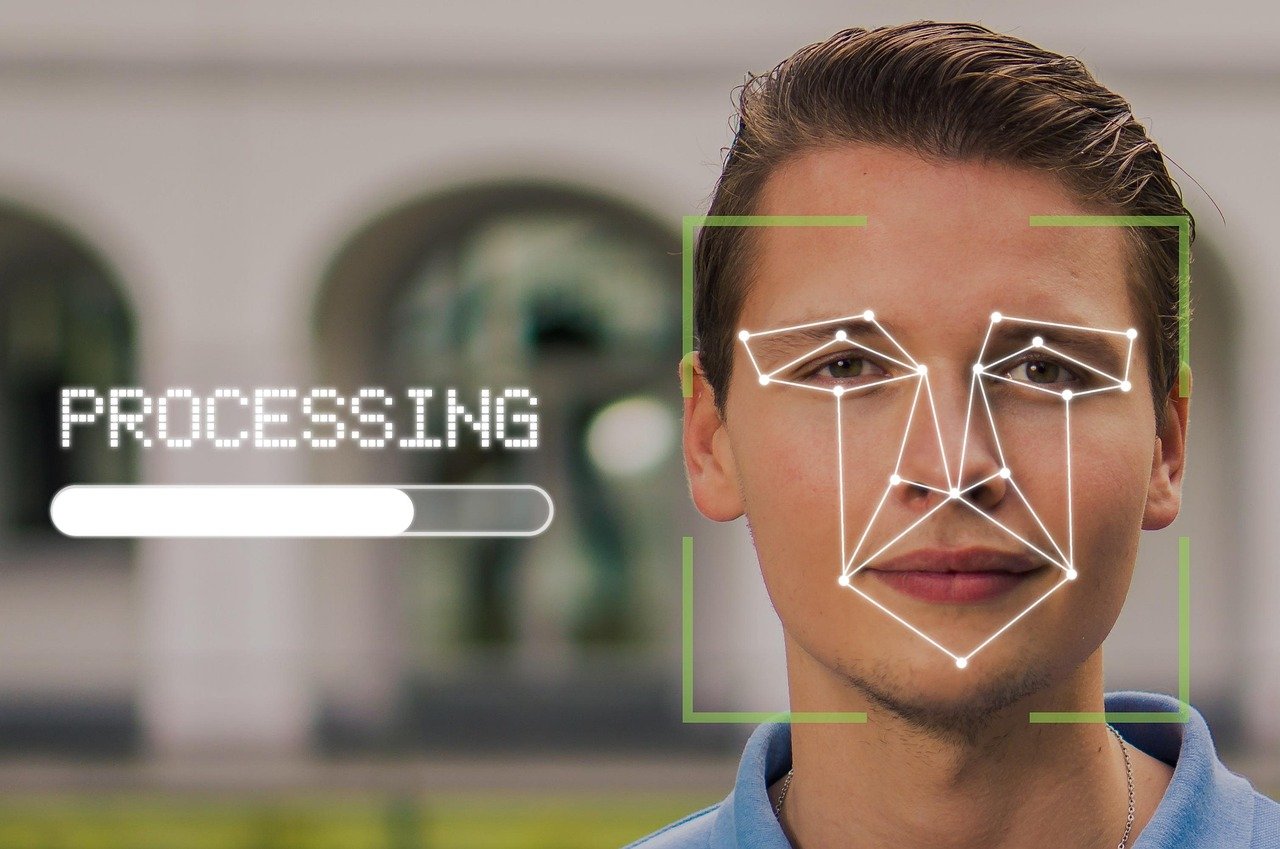
Mobile Police want the city to hand over $67,000 a year for a facial recognition search engine stocked with more than 100 billion photographs scraped from the open web, and the department will not say how many searches its investigators run, how a hit gets checked before it becomes an arrest, or whether anybody audits the queries at all.
The item is small, the way most surveillance decisions are small: a renewal line on a city council agenda, a regional technology hub, a public affairs manager explaining that the details are not for the public. The consequence is not small. The tool is Clearview AI, and what it sells is your face — matched, ranked and handed back to an investigator who never had to justify the upload.
That is how a town becomes a database. One uncontested invoice at a time.
Mobile Police — 67,000 Dollars Buys Silence, Not a Search Log
NBC 15 asked the department the three questions any council member should ask before voting: how often officers search, how they verify a possible match before naming a suspect, and whether search activity is audited. The answer came from Blake Brown, public affairs manager for the Department of Public Safety, who said certain software items on the agenda cannot be discussed because of operational security.
Read that answer for what it is. Search volume, verification standards and audit trails are not tactical secrets; they are the exact controls that separate a lead from a dragnet. A department that cannot describe them is not protecting an investigation. It is protecting itself.
The scope makes the silence worse. The contract would serve the Gulf Coast Technology Center, the city-run regional hub that the police department says serves more than 40 local, state and federal agencies. Forty agencies, one license, and no public statement about who is allowed to run a search.
The invoice doesn’t explain itself either. City payment records, as reported by All About Cookies, show charges of $8,495 in February 2023, $8,495 again that April, $8,495 in March 2025 and $9,995 in March 2026. The renewal on the table is $67,000 — close to seven times the most recent figure — and the city has not said why.
When the bill multiplies by seven and the paperwork shrinks to a single word, that word is usually no.
A’Niya Robinson — Perfect Accuracy Would Still Be Surveillance
A’Niya Robinson, policy director at the ACLU of Alabama, pushed past the accuracy argument that usually swallows this debate. Her point to NBC 15 was blunt: even a system that matched flawlessly would leave governments and police able to watch ordinary Alabamians as they move through their own city, and the people in those photographs never agreed to be in the index. The error rate matters. So does the reach.
Alabama has already conceded the danger in law. A 2022 statute sponsored by State Senator Arthur Orr bars departments from arresting someone on a facial recognition match alone — the hit has to be backed by other lawfully obtained evidence. That is a real guardrail, written by people who understood what happens when a ranked list is treated as an identification.
Now notice the hole. The rule constrains what an officer does after a match. Nothing in it gives the public a way to check whether the corroboration happened, because the department that would be checked has declared its methods off limits. A guardrail nobody can inspect is a guardrail painted on the road.
Robert Williams — 30 Hours in Custody for a Face That Was Not His
The failure mode is not theoretical, and it has a name attached. In January 2020, Detroit police held Robert Williams for roughly 30 hours over a robbery at a watch store he had never been near. The lead came from software: an old driver’s license photo pulled from a state database and flagged as a possible match by an algorithm. His lawsuit settled, and the case became the reference point for everything that followed.
Stateline’s reporting on the state-by-state patchwork puts the nationwide tally at no fewer than seven people falsely arrested after a facial recognition match. Katie Kinsey of the Policing Project told Stateline that any American adult with an internet footprint is almost certainly inside Clearview’s index — that staying out of it would require having no online presence at all. Seven wrongful arrests is not a rounding error; it is a pattern with a case file.
Mobile’s version of that risk has an extra layer most cities don’t: the index is shared. A match that goes wrong at the Gulf Coast Technology Center does not stay in Mobile County. It travels wherever those 40-plus agencies carry it.
The Gulf Coast Center — 40 Agencies, One Index, No Visible Rules
Regional hubs are where oversight usually dies quietly. A single city council can vote on a contract, but it cannot easily supervise how a federal partner or a neighboring sheriff’s office uses the same login. Clearview’s own position is that the product is built for use after a crime, not for live tracking — a distinction that depends entirely on the conduct of the people holding the account, which is exactly the conduct Mobile won’t describe.
Audits exist, and they find things. All About Cookies reported on a Kentucky case in which a Shively officer allegedly ran 2,048 searches on a woman’s license plate through a camera network while citing a drug investigation she was never part of; the behavior surfaced only after the department switched on an audit tool months later. The audit was the only thing standing between a private obsession and a public record. Mobile has not said whether its Clearview searches are logged at all.
Mobile — The Council Votes Once, the Database Doesn’t Forget
There is a version of this vote that costs nothing and settles the whole argument. Before renewal, the council could require what any purchasing decision requires: a count of searches per year, a written verification protocol, a named person accountable for audits, and quarterly reporting on who ran queries and why. If the department’s use is clean, the numbers make its case better than operational security ever could. If the numbers are embarrassing, the public is entitled to be embarrassed on purpose.
What the city should not do is keep paying for a search engine that treats every resident’s face as a candidate, then accept silence as the receipt. The contract runs a year. The photographs do not expire.
Surveillance never arrives by decree. It arrives on a consent agenda, at seven times the old price, with the explanation filed under a word that means “trust us.”
Sources: NBC 15, All About Cookies, Stateline.